
Advanced solutions to improve water quality, protect equipment, and ensure smooth system performance. Maintain efficiency, reduce downtime, and achieve consistent results across industrial operations.
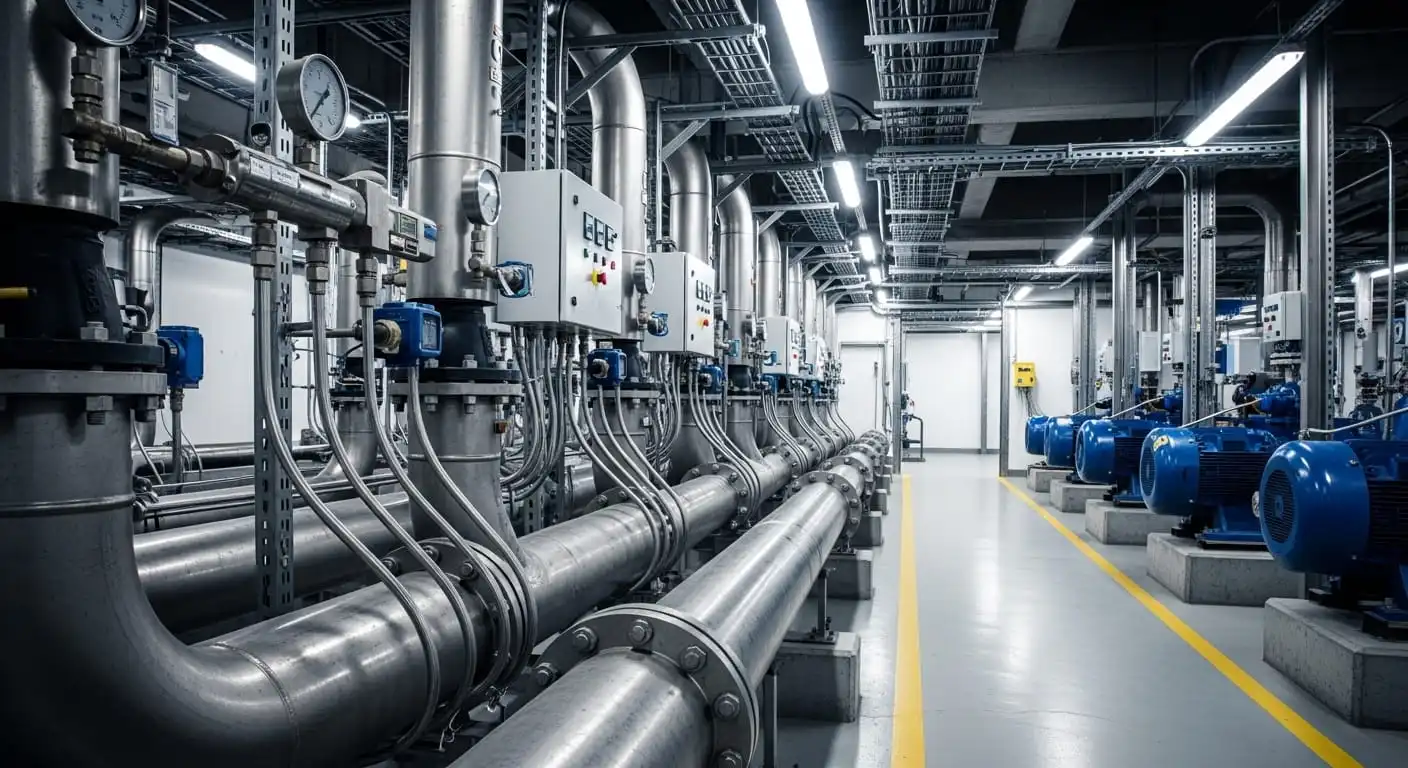
Specialized chemicals that shield metal surfaces across boilers, pipelines, and cooling circuits from corrosion caused by dissolved gases, oxygen, and acidic conditions.
Remove dissolved oxygen from water systems to prevent oxidation and pitting corrosion in pipelines, boilers, and high-pressure equipment.
Form protective films on metal surfaces, guarding against dissolved gases, chlorides, and acidic attack in boilers and cooling circuits.
Neutralize CO₂ in steam condensate lines, raising pH to stop acid corrosion in return piping.
Deposit a hydrophobic molecular layer on metal surfaces for lasting protection in steam and condensate systems.
Bind calcium, iron, and magnesium ions to prevent scale and improve cleaning efficiency across water circuits.
Keep suspended particles from settling and depositing, extending the effectiveness of antiscalants and cleaning programs.
Prevent calcium carbonate, barium sulfate, and strontium sulfate deposition in pipelines, heat exchangers, and membranes.
Prevent mineral buildup in pipelines, heat exchangers, and membranes to maintain flow efficiency and protect equipment from performance-degrading deposits.
Control bacterial growth, biofilm formation, and algae across open and closed water systems to maintain hygiene and system stability.
Eliminate bacteria, algae, and SRB responsible for biofouling and microbiologically influenced corrosion across cooling and process systems.
Control algal growth in cooling towers and open reservoirs, preventing biofilm, blockages, and associated efficiency loss.
Destabilize suspended solids and colloids, enabling agglomeration for easy removal in raw water and effluent treatment.
Accelerate particle separation after coagulation, improving sedimentation and filtration in high-solids wastewater and sludge streams.
Aggregate and remove suspended solids from raw water, process streams, and wastewater to improve clarity and downstream treatment performance.
Optimize water chemistry and system stability through foam control, pH management, sludge handling, and membrane maintenance across industrial operations.
Rapidly eliminate foam caused by surfactants or organic loading without leaving residue in process streams.
Prevent sludge deposition on heat transfer surfaces and simplify removal, maintaining boiler efficiency.
Stabilize water chemistry within the range needed to prevent simultaneous corrosion and scale formation.
Remove scale, organic fouling, and biological deposits from RO and UF membranes to restore flux and extend service life.
Remove deposits, restore flow rates, and return equipment to peak condition without aggressive downtime across boilers, membranes, heat exchangers, and pipelines.
Industrial water systems demand chemicals that perform consistently under pressure, temperature fluctuations, and variable feed water conditions.
Seeds Energy formulations address the full treatment cycle, from corrosion and scale prevention to microbial control and system cleaning.
Each product is selected for measurable impact on equipment longevity, water quality, and operational continuity.
The result is a treatment program that reduces intervention frequency, lowers total chemical spend, and keeps critical assets protected across the entire service life.
Shields metal surfaces from oxidation, pitting, and acid attack across boilers, pipelines, and cooling systems.
Stops mineral deposits before they form, maintaining flow efficiency and heat transfer performance.
Eliminates bacteria, algae, and SRB that cause biofouling, contamination, and MIC.
Aggregates and removes suspended solids from raw water, process streams, and wastewater for cleaner, more manageable outputs.
Stabilizes water chemistry, controls foam, and conditions sludge to sustain consistent system output under varying conditions.
Lowers cleaning frequency, unplanned shutdowns, and chemical waste through precise, targeted treatment across all system types.
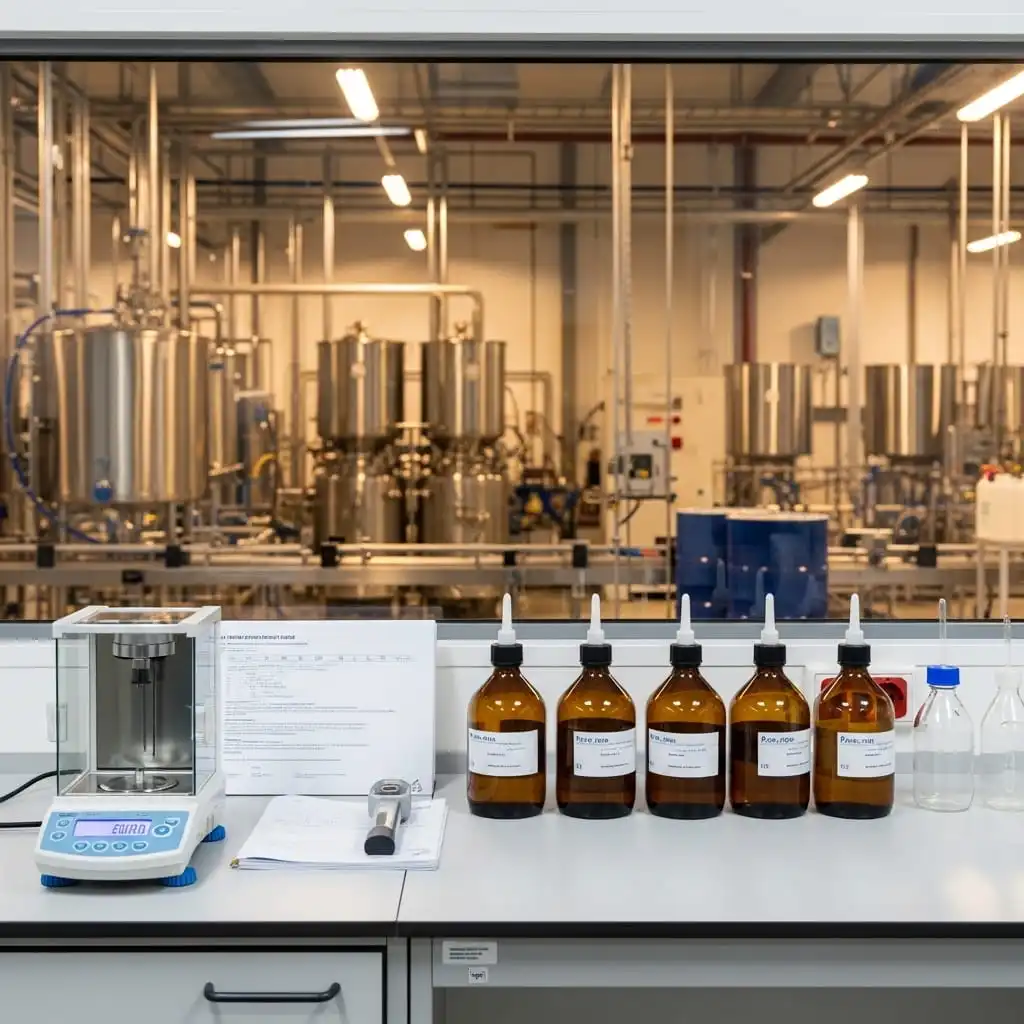
Selecting a water treatment supplier is a technical decision, not just a procurement one.
Seeds Energy delivers application-matched formulations across the full treatment spectrum.
Every solution is aligned to specific system conditions. In industries where equipment failure carries real financial consequences, specificity matters.
Consistent Quality
High-standard formulations, every batch
Full-Spectrum Coverage
Every treatment chemistry, one source
Application-Specific
Matched to your exact system conditions
Total Cost Focus
Less maintenance, measurable cost savings
Dependable Supply
Reliable logistics, uninterrupted treatment programs
Get reliable, high-efficiency solutions tailored to your industrial needs. Contact Seeds Energy today to find the right chemical program for your system.
It depends on metal type, pH, chloride levels, and whether the system is open or closed loop. A water analysis determines the right inhibitor chemistry.
Yes, but compatibility must be confirmed first. Some oxygen scavengers react negatively with phosphonate-based antiscalants at high temperatures, causing treatment failure.
Every 4 to 12 weeks, depending on microbial load. Rotating between oxidizing and non-oxidizing biocides prevents bacteria from developing chemical tolerance.
Usually caused by underdosing, wrong product selection, or shifts in feed water quality. Regular water testing and dosage reviews resolve the issue quickly.
Yes. Oxygen scavengers, filming amines, and sludge conditioners are formulated specifically for high-temperature, high-pressure boiler environments.
Coagulants destabilize suspended particles; flocculants bind them into larger settleable masses. Most clarification programs require both, applied in sequence.
Microbiologically influenced corrosion occurs when bacteria produce corrosive byproducts inside biofilms. It is controlled through targeted biocides, dispersants, and routine monitoring.
No. RO and UF membranes need pH-specific formulations. Standard industrial cleaners can cause irreversible membrane damage.
Most modern formulations use low-toxicity, biodegradable chemistries. Safety data sheets and compliance documentation are available for every product.
Based on system volume, flow rate, water hardness, and temperature. Rates start conservatively and are adjusted through ongoing water monitoring.