
Efficient drilling depends heavily on the performance of the drilling fluid system. Our range of drilling fluid additives is designed to support stable wellbore conditions while improving fluid behavior throughout the drilling process.
These solutions help control viscosity, manage fluid loss, adjust density, and stabilize reactive formations.
By maintaining the right balance of fluid properties, they assist operators in improving hole cleaning, protecting formations, and sustaining consistent drilling performance across a variety of geological conditions.
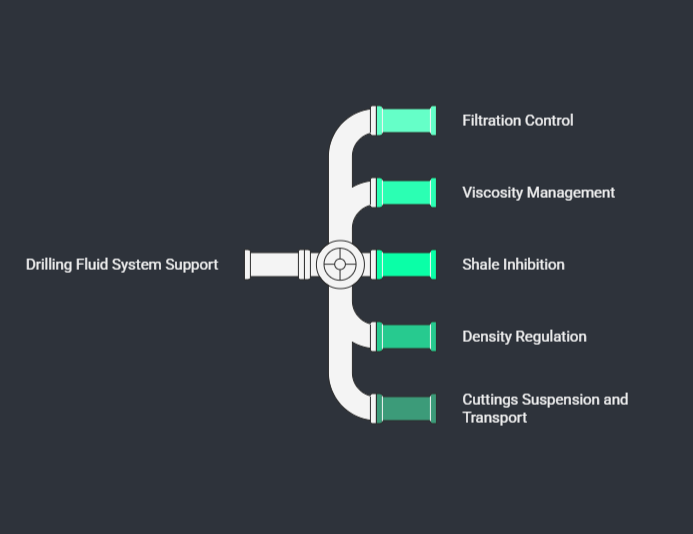
Viscosifiers and rheology modifiers enhance drilling fluid viscosity and flow properties, improving hole cleaning, suspension of solids, and overall wellbore stability for efficient drilling operations.
Xanthan Gum is a high-performance biopolymer used to increase drilling fluid viscosity, stabilize suspensions, and improve hole cleaning and wellbore stability in oilfield operations.
Guar Gum is a natural polymer that enhances fluid rheology, increases viscosity, and supports solid suspension, providing improved drilling efficiency and wellbore stability.
Bentonite is a clay-based additive that increases drilling fluid viscosity, aids suspension of solids, reduces fluid loss, and maintains wellbore integrity during drilling.
Drilling Starch is used to reduce fluid loss in drilling operations, stabilize wellbore walls, and maintain optimal drilling fluid performance for improved operational efficiency.
HT Starch is a high-temperature-resistant fluid loss additive that minimizes filtrate invasion, stabilizes the wellbore, and ensures consistent drilling fluid performance under challenging conditions.
PAC (Polyacrylamide) and CMC (Carboxymethyl Cellulose) are polymers that control fluid loss, improve wellbore stability, and enhance the suspension of solids in drilling fluids.
Fluid Loss Control Additives prevent drilling fluids from seeping into formations, maintaining wellbore stability, reducing formation damage, and ensuring efficient drilling operations with controlled fluid properties.
Weighting and brine chemicals increase drilling fluid density, control formation pressure, and ensure wellbore stability, enabling safe and efficient drilling operations in challenging formations.
Barite & Hematite are high-density minerals used together to increase drilling fluid weight, control formation pressure, and maintain wellbore stability in demanding oilfield drilling operations.
Calcium Chloride is used as a brine and shale inhibitor to increase fluid density, stabilize clay formations, and improve drilling fluid performance.
Bromide salts are high-density brine additives that maintain drilling fluid weight, prevent wellbore collapse, and support safe and efficient drilling operations.
Caustic Soda is used to control drilling fluid pH, maintain alkalinity, and improve fluid performance, ensuring wellbore stability and efficient drilling operations.
Polyamine acts as a shale stabilizer and corrosion inhibitor, protecting formations and equipment while improving drilling fluid performance under challenging well conditions.
Tetrakis(hydroxymethyl)-phosphonium Sulfate (THPS) is a biocide used to control bacterial growth in drilling fluids, preventing microbial contamination and degradation of fluid properties.
LCM is used to prevent fluid loss into fractures or porous formations, maintaining wellbore stability and ensuring smooth, efficient drilling operations.
Sulphonated Asphalt enhances drilling fluid lubricity, stabilizes the wellbore, and provides protection against shale swelling and other formation-related issues.
Specialty drilling chemicals are used to enhance drilling fluid performance, protect equipment, and maintain wellbore stability. These additives address specific challenges in challenging formations.
Reliable drilling operations require drilling fluids that can perform consistently under changing formation and pressure conditions.
Our drilling and wellbore stability chemicals are designed to enhance drilling fluid performance while protecting the integrity of the wellbore.
These additives help operators maintain proper fluid balance, reduce operational challenges, and improve drilling efficiency.
By supporting stable formations, controlled fluid properties, and effective solids management, our solutions contribute to smoother drilling processes and better operational reliability across a wide range of drilling environments.
Helps maintain wellbore integrity by stabilizing formations and reducing the risk of collapse during drilling.
Improves suspension and transport of drilled cuttings, helping keep the wellbore clean and drilling operations efficient.
Minimizes filtrate invasion into surrounding formations, protecting reservoir integrity and maintaining drilling fluid performance.
Supports accurate control of drilling fluid density to balance formation pressures and prevent well control issues.
Maintains stable rheological properties, ensuring drilling fluids perform reliably under varying temperatures and pressures.
Helps protect sensitive formations by controlling fluid interaction and reducing unwanted chemical or mechanical impact.
Supports smoother drilling processes, reducing interruptions and helping operators maintain steady drilling progress.
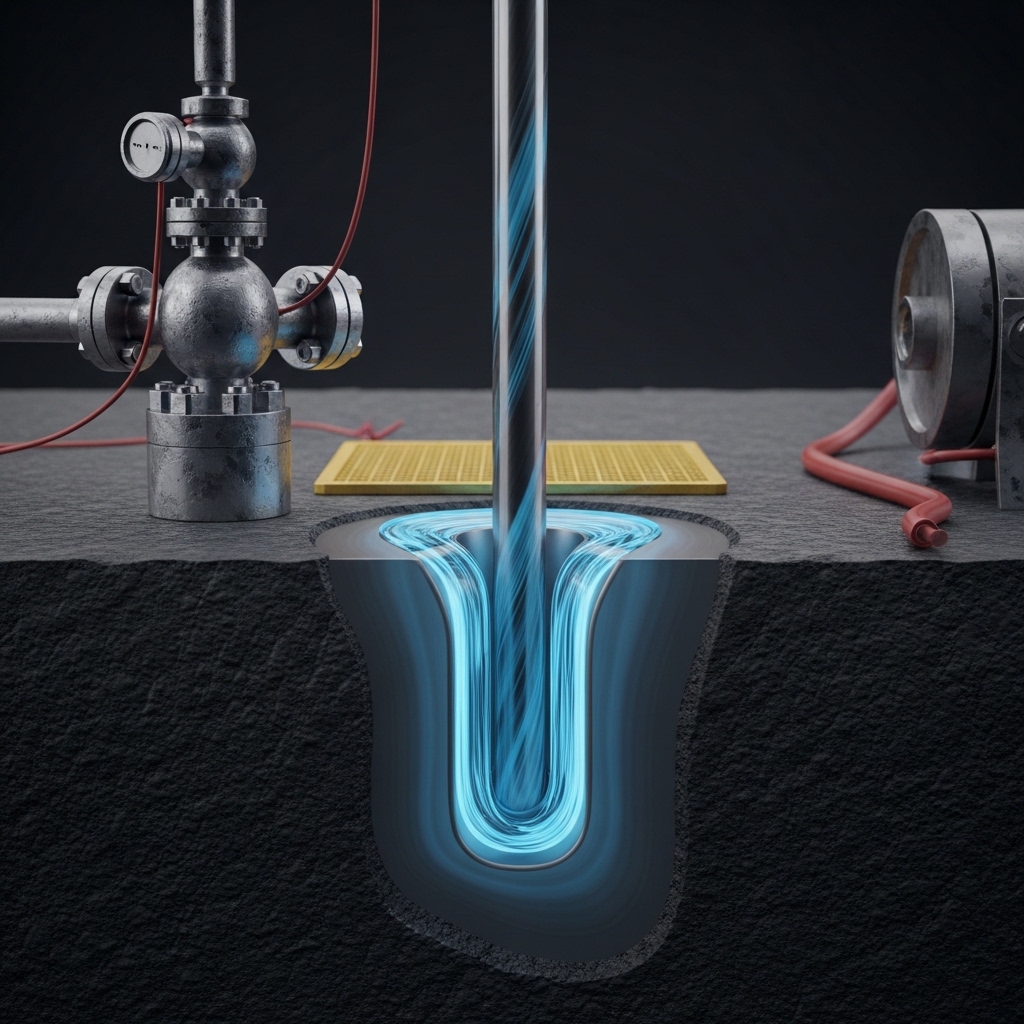
Choosing the right drilling chemicals partner is critical for safe and efficient operations. Seeds Energy delivers reliable, high-performance chemical solutions that maintain wellbore stability, support consistent drilling fluid performance, and ensure dependable results across challenging formations and demanding oilfield conditions.
Consistent Quality
Reliable chemical performance across varying drilling conditions.
Industry Expertise
Solutions developed with strong understanding of oilfield operations.
Reliable Supply
Steady product availability supporting uninterrupted drilling operations.
Operational Efficiency
Chemicals designed to support smooth and efficient drilling.
Performance Focused
Products formulated to maintain stable drilling fluid properties.
Need guidance on selecting the right drilling chemicals for your project? Our technical team is ready to provide expert recommendations, answer your questions, and help you optimize drilling fluid performance for safer, more efficient, and reliable wellbore operations.
Drilling chemicals control fluid rheology, reduce fluid loss into formations, inhibit shale swelling, and support mechanical and chemical stability of the wellbore wall.
Fluid loss control additives form a low‑permeability filter cake that prevents drilling fluid invasion into porous rock, maintaining pressure balance and protecting reservoir integrity.
Shale inhibitors prevent reactive shale formations from swelling or disintegrating when exposed to drilling fluids, reducing instability and stuck pipe risks.
Yes, high‑temperature resistant additives ensure consistent fluid performance and wellbore protection even under extreme downhole heat.
Viscosifiers stabilize fluid viscosity and enhance suspension of cuttings, aiding efficient removal from the wellbore and preventing settling.
Weighting agents increase fluid density to balance formation pressures, preventing kicks and well control issues during drilling.
Yes, many modern additives are formulated to be biodegradable, low‑toxicity, and environmentally responsible without compromising performance.
Lubricants reduce friction between the drill string and wellbore walls, minimizing torque and drag, especially in extended‑reach wells.
Inadequate fluid chemistry can lead to wellbore instability, excess fluid invasion, stuck pipe, and increased non‑productive time and costs.
Selection should be based on formation reactivity, pressure conditions, temperature, and drilling objectives, ensuring the right balance of additives for stability and performance.